Our Purpose
About the Archive
A living digital space for the oral art forms of the Indigenous Naga peoples of Northeast India.
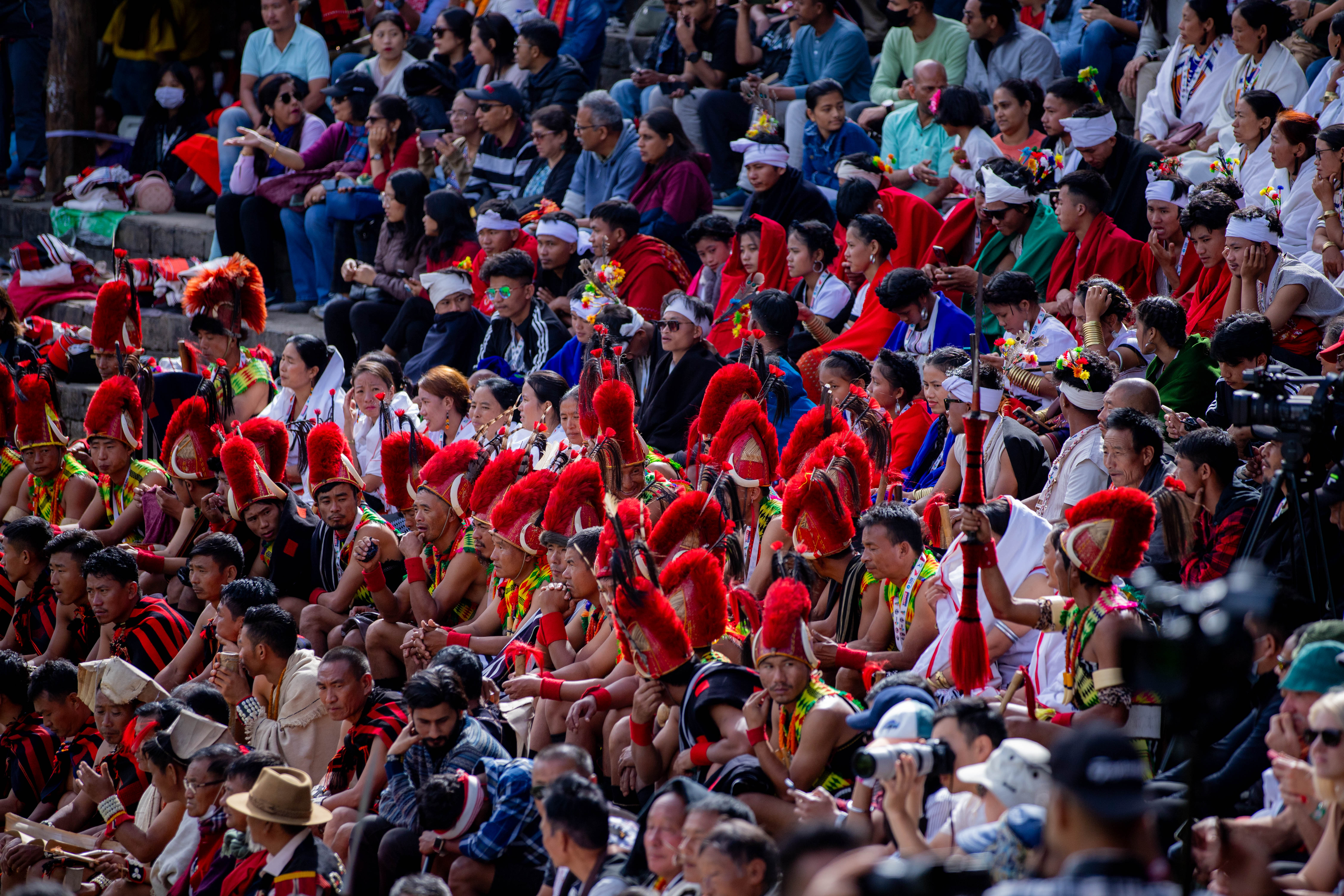
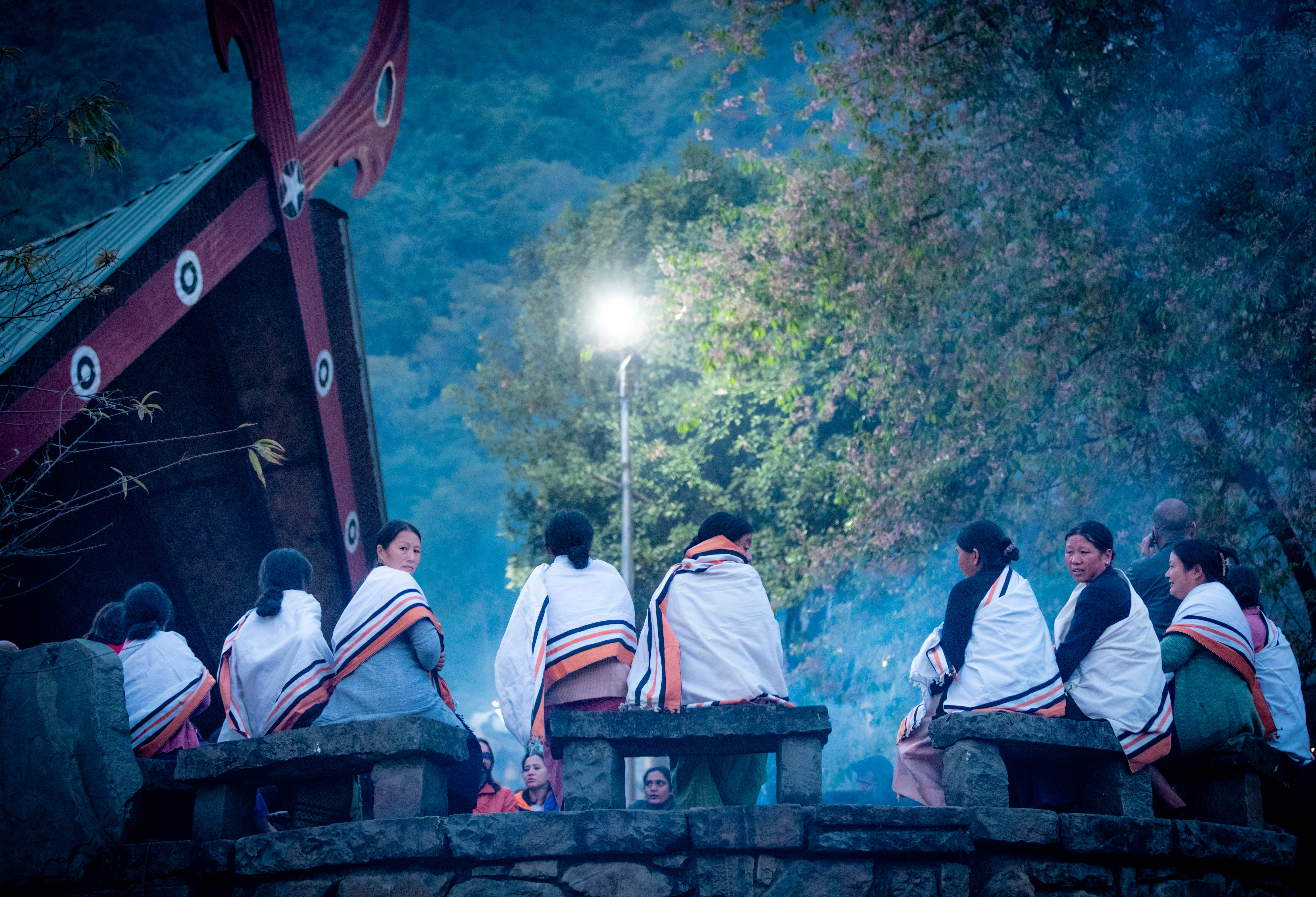
Welcome to the Naga Peoples Digital Archive
The Naga Peoples Digital Archive (NPDA) is a living digital space dedicated to the oral art forms of the Indigenous Naga peoples of Northeast India. It is built on a simple but urgent conviction: that the songs, stories, and folk expressions of Naga communities carry within them significant histories, knowledge systems, and ways of life that must be documented and preserved as a living record for generations to come.
The NPDA is a systematic digital archive of Naga oral heritage: documenting not just the songs and narratives themselves, but the layers of context that give them meaning — the community they come from, the occasion for which they are performed, the dialect in which they are sung, and the cultural and spiritual significance they carry.
This is an important distinction. We are not simply storing recordings. We are building an archive that is:
- Accessible to the communities whose heritage it holds
- Respectful of cultural protocols
- Resistant to decontextualisation
Why This Archive Exists
The Naga oral tradition has been under a kind of quiet pressure for decades: modernisation and migration have slowly widened the distance between communities and their oral heritage in ways that are difficult to see until the loss is already done. The NPDA is a deliberate, methodologically grounded effort to document, preserve, and make accessible what remains of this living oral tradition — not as a record of something past, but as a resource for the communities to whom it belongs.
This archive would not have been possible without the willing participation of those who trusted us with their heritage. We sincerely thank the folk artists and performers who shared their knowledge, the translators who bridged languages with care, and the community members who guided us in identifying artists and facilitating access across villages. Every story in this archive is here because someone chose to share it. We remain humbled by the depth and richness of what we encountered, and acutely aware of how much we have yet to learn from the communities, their traditions, and the living knowledge they continue to carry.
A Note on Accuracy and Diversity
The Naga peoples are not a single community. They are a collection of distinct tribes — each with its own language, its own customs, its own oral traditions, and its own ways of organising knowledge and community life. The linguistic, regional, village, and clan diversity within what we call the Naga world is vast, and we are aware that any documentation effort of this scale will encounter the limits of that diversity.
We have made every effort to capture the nuances of each community's traditions accurately and with integrity. Where we have fallen short — where a detail is incorrect, a context is missing, or a representation does not feel right to those whose heritage it is — we ask for your understanding and, more importantly, your correction. Please write to us at contact@npda.in. This archive is a community initiative, and it is only as good as the community's willingness to engage with it, challenge it, and help it grow.
How the Archive Works
All media in this archive — video recordings, audio recordings, and photographs — was gathered in the field by researchers working directly with community members and performers.
Individuals from the Naga community are welcome to contribute their own recordings through the submission portal. All submissions are reviewed before being added to the archive to ensure quality and cultural sensitivity.
Nothing in this archive can be downloaded. This is a space for listening and witnessing — not for extraction.
The Team Behind the Archive
Project Lead
Imti Watitula Longkumer
Bio Note
Co-Investigators
Shanmugapriya & Reema Chowdhary
Bio Notes
Research Associate
Arenkala Kichu
Bio Note
Field Researcher
L. D. Miller Pou
Bio Note
Project Mentor
Funded By
Jaya Prakash Narayan (JPN) National Centre of Excellence in the Humanities, IIT Indore
About the Logo
The logo, designed and interpreted by Arenkala Kichu, symbolically represents the preservation and continuity of Naga cultural heritage in the digital age. The Morung at the centre represents the progressive and thriving Naga communities, collective wisdom, Indigenous knowledge, social unity, and the transmission of values from one generation to the next. The green mountains in the background portray the picturesque Naga Hills landscape, reflecting the region’s rich natural environment, lush greenery, and the deep connection between the Naga people and their ancestral homeland. These hills signify identity, belonging, and cultural rootedness. The curved lines at the bottom represent fertile soil, the foundation from which Naga traditions, stories, customs, and livelihoods have grown and flourished over centuries. Encircling all these elements, the spear portrays the legacy of courage and strength.
Get In Touch
If you have materials you would like to contribute, corrections you would like to share, or questions about the archive, we would like to hear from you. This archive is not finished — it is a living project, and the people it belongs to are always welcome to be part of building it.
Write to us at contact@npda.in or use the submission portal to share a recording.